
Introduction
Every great invention begins with a simple question: “What if?” Children are naturally curious, but traditional education systems often focus more on memorization than exploration. In a world driven by artificial intelligence, automation, and digital innovation, curiosity alone is not enough. Students need the right environment, tools, and guidance to transform their ideas into real creations. This is where robotics education for students becomes powerful, and where Botixbo plays a transformative role. Botixbo is not just about teaching technology. It is about helping young learners move from curiosity to creation by giving them hands-on experiences with robotics, coding, and AI concepts. Through structured programs and practical projects, Botixbo nurtures the next generation of innovators.The Power of Curiosity in Young Minds
Curiosity is the foundation of learning. When students ask questions, experiment, and explore, they develop deeper understanding and stronger problem-solving abilities. However, curiosity needs direction. Without the right tools and guidance, it can fade into frustration or disinterest. Botixbo creates an environment where curiosity is encouraged and rewarded. Instead of only teaching theoretical concepts, students are given the opportunity to build, test, and improve real robotic systems. This approach turns questions into experiments and ideas into working models.From Theory to Real-World Creation
Many students learn about technology through textbooks, but they rarely get the chance to apply what they learn. Botixbo changes this by introducing hands-on robotics education for students. When a student builds a robot, connects sensors, and writes code to control its movement, learning becomes active and meaningful. Concepts like circuits, logic, and automation are no longer abstract ideas—they become real experiences. This practical approach helps students understand how technology works in everyday life, from automated machines in factories to smart devices in homes.How Botixbo Shapes Young Tech Minds
Botixbo focuses on creating a structured learning journey where students progress from basic concepts to advanced projects. The goal is not just to teach robotics, but to develop complete tech thinkers. Through Botixbo programs, students learn how to:- Think logically and solve problems step by step
- Design and build functional robotic systems
- Understand the basics of coding and automation
- Work in teams and communicate ideas effectively
- Turn creative concepts into working prototypes
Building Skills Beyond Technology
While robotics education introduces technical skills, its impact goes far beyond coding and electronics. Students who participate in Botixbo programs develop essential life skills. They learn patience when their robot does not work as expected. They develop resilience by testing and improving their designs. They build teamwork skills while collaborating on projects. Most importantly, they gain confidence in their ability to solve problems. These skills are valuable in every career path, not just in technology.Creating Future-Ready Learners
The future job market will be shaped by artificial intelligence, robotics, and automation. Many careers will require technical understanding, creative thinking, and adaptability. Botixbo prepares students for this future by introducing them to emerging technologies at an early stage. Students who engage in robotics education for students gain a strong foundation in STEM subjects and develop the mindset needed for innovation. They do not just learn how to use technology. They learn how to create it.
The Role of Schools and Educators
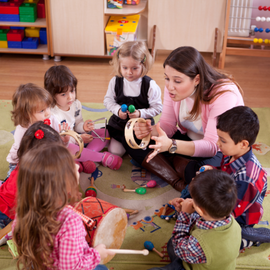
Schools play a critical role in shaping the future of students. By integrating robotics programs like Botixbo into their curriculum, schools create environments where innovation thrives. Teachers become facilitators of creativity rather than just providers of information. Lessons become interactive, and students become more engaged in their learning process. Robotics labs, structured curricula, and teacher training programs help schools deliver meaningful tech education.Real-World Impact of Robotics Learning
Students who participate in robotics programs often show increased interest in science, mathematics, and technology subjects. They become more confident in solving problems and exploring new ideas. Early exposure to robotics can inspire career paths in:- Artificial intelligence
- Software development
- Engineering
- Automation
- Data science
- Robotics research
Why Botixbo’s Approach Stands Out
What makes Botixbo different is its focus on practical learning and structured growth. Instead of random activities, students follow a clear learning path that gradually builds their skills. Each project is designed to:- Encourage creativity
- Solve real-world problems
- Build technical confidence
- Strengthen logical thinking