

What is a Robotics & AI Lab in Schools?
A robotics and AI lab is a dedicated learning space where students design, build, and program robots while exploring artificial intelligence concepts. Instead of learning only through theory, students interact with real components, sensors, and programming tools. This approach transforms classrooms into innovation hubs where curiosity leads to creation.
The lab typically includes robotics kits, microcontrollers, AI learning tools, computers, and structured curriculum modules. These resources allow students to work on projects that combine science, technology, engineering, and mathematics (STEM).
Why Schools Need a Robotics and AI Lab
The job market is rapidly changing due to automation, AI, and smart technologies. Many future careers will require technical skills, problem-solving abilities, and digital literacy.
A robotics and AI lab helps schools prepare students for these demands.By working on robotics and AI projects, students develop logical thinking, creativity, teamwork, and engineering skills. They also gain early exposure to emerging technologies, which builds confidence and career awareness from a young age.Schools that implement such labs also strengthen their academic reputation. Parents increasingly look for institutions that offer advanced technology education, making robotics and AI labs a strong differentiator.
Key Components of a Robotics and AI Lab Setup
A well-designed robotics and AI lab should include age-appropriate tools and structured learning resources. The core components usually involve robotics kits for different grade levels, programmable microcontrollers, sensors, motors, and mechanical parts.
Computers or tablets are required for coding and simulation. AI learning modules help students understand concepts like machine learning, computer vision, and data processing in a simplified manner. A structured curriculum ensures students progress step by step, from basic concepts to advanced projects.Teacher training is also a crucial part of the setup. Educators need proper guidance to manage equipment, conduct projects, and integrate robotics into daily lessons.
Benefits of Robotics and AI Labs for Students
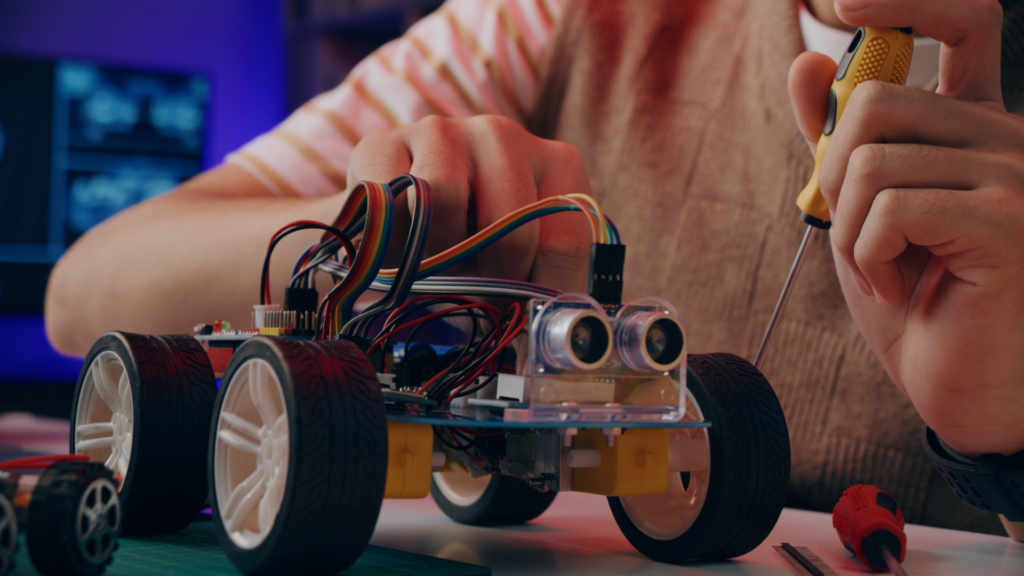
Robotics and AI Labs Transform the Classroom
Steps to Set Up a Robotics and AI Lab in School
The Long-Term Impact of Robotics and AI Education
Conclusion
The 8 Sensors That Run a Real Smart Home in 2026
The 8 Sensors That Run a Real Smart Home in…

From Curiosity to Creation: How Botixbo Shapes Young Tech Minds
How Botixbo Shapes Young Tech Minds Introduction Every great invention…
Robotics and AI Lab Setup in School
A Future-Ready Learning Environment What is a Robotics & AI…