
A Future-Ready Learning Environment
Technology is reshaping every industry, and education is no exception. Schools that prepare students for the future must go beyond traditional textbooks and introduce practical, technology-driven learning environments. A robotics and AI lab setup in school is one of the most effective ways to build these future-ready skills. It provides students with hands-on experience in coding, electronics, automation, and artificial intelligence, helping them understand how modern technology works in real life.
What Is a Robotics and AI Lab in Schools?
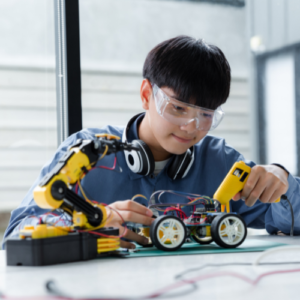
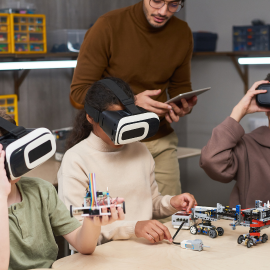
A robotics and AI lab is a dedicated learning space where students design, build, and program robots while exploring artificial intelligence concepts. Instead of learning only through theory, students interact with real components, sensors, and programming tools. This approach transforms classrooms into innovation hubs where curiosity leads to creation.
The lab typically includes robotics kits, microcontrollers, AI learning tools, computers, and structured curriculum modules. These resources allow students to work on projects that combine science, technology, engineering, and mathematics (STEM).
Why Schools Need a Robotics and AI Lab
The job market is rapidly changing due to automation, AI, and smart technologies. Many future careers will require technical skills, problem-solving abilities, and digital literacy. A robotics and AI lab helps schools prepare students for these demands.
By working on robotics and AI projects, students develop logical thinking, creativity, teamwork, and engineering skills. They also gain early exposure to emerging technologies, which builds confidence and career awareness from a young age.
Schools that implement such labs also strengthen their academic reputation. Parents increasingly look for institutions that offer advanced technology education, making robotics and AI labs a strong differentiator.
Key Components of a Robotics and AI Lab Setup
A well-designed robotics and AI lab should include age-appropriate tools and structured learning resources. The core components usually involve robotics kits for different grade levels, programmable microcontrollers, sensors, motors, and mechanical parts.
Computers or tablets are required for coding and simulation. AI learning modules help students understand concepts like machine learning, computer vision, and data processing in a simplified manner. A structured curriculum ensures students progress step by step, from basic concepts to advanced projects.Teacher training is also a crucial part of the setup. Educators need proper guidance to manage equipment, conduct projects, and integrate robotics into daily lessons.
Benefits of Robotics and AI Labs for Students
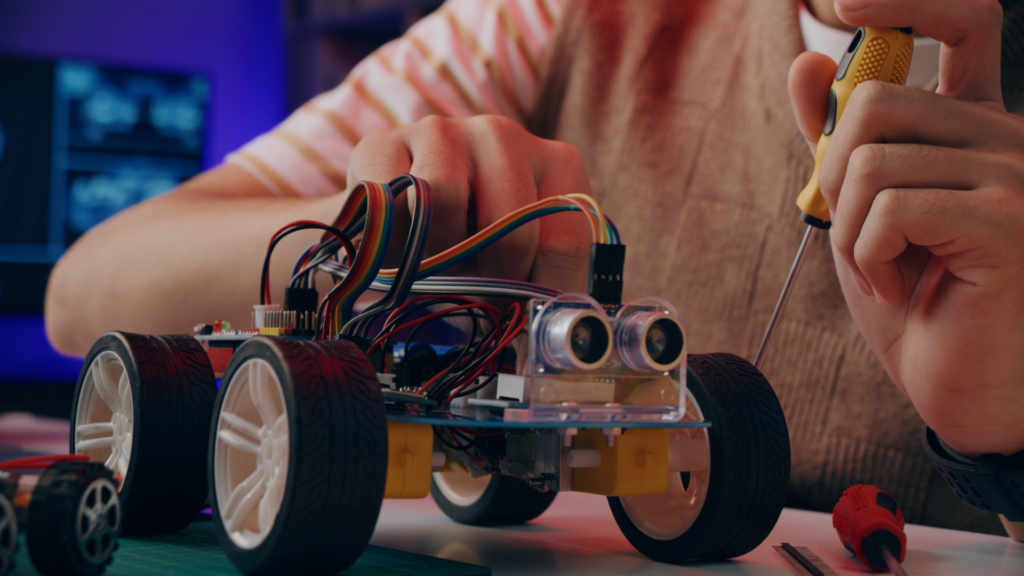
A robotics and AI lab creates an engaging learning environment where students actively participate instead of passively listening. When students build a robot or train a simple AI model, they see immediate results from their efforts. This makes learning more exciting and memorable.
Students develop essential future skills such as critical thinking, problem-solving, programming, and engineering design. They also learn collaboration by working in teams to complete projects. These experiences help build confidence and prepare them for careers in technology, engineering, and innovation.
How Robotics and AI Labs Transform the Classroom
Traditional classrooms often focus on memorization and theoretical knowledge. Robotics and AI labs introduce project-based learning, where students learn by doing. This approach increases engagement and improves concept retention.
Teachers can use robotics to explain abstract ideas like algorithms, sensors, automation, and artificial intelligence in a practical way. Lessons become more interactive, and students show greater interest in STEM subjects.
Steps to Set Up a Robotics and AI Lab in School
Setting up a robotics and AI lab starts with identifying the school’s goals and the age groups involved. The next step is selecting appropriate robotics kits and AI tools that match the curriculum.
After the equipment is installed, teachers receive training on how to use the tools and conduct project-based lessons. A structured curriculum is then introduced, allowing students to progress from beginner to advanced levels.
Regular activities such as competitions, exhibitions, and project showcases can further motivate students and create a culture of innovation.
The Long-Term Impact of Robotics and AI Education
Students who learn robotics and AI early gain a strong foundation in technology. They are more likely to pursue careers in engineering, artificial intelligence, automation, and other high-growth fields.
Beyond technical knowledge, robotics education builds confidence, creativity, and problem-solving abilities. These skills are valuable in any career, making robotics and AI labs an investment in students’ overall development.
Conclusion-
A robotics and AI lab setup in school is not just a technological upgrade—it is a strategic step toward future-focused education. By combining hands-on learning with modern technology, schools can nurture innovation, curiosity, and practical skills in students.
Institutions that adopt robotics and AI labs today will be better prepared to shape the innovators, engineers, and leaders of tomorrow. Such labs transform education from passive learning into an active, engaging, and future-ready experience.
FAQ's
Popular Questions
A: A robotics and AI lab is a dedicated space where students learn coding, robotics, and artificial intelligence through hands-on projects and practical activities
A: It helps students develop problem-solving, critical thinking, and technical skills needed for future careers in technology and engineering.
A: Typical equipment includes robotics kits, microcontrollers, sensors, computers, AI learning tools, and a structured curriculum.
A: Students can start with basic robotics concepts in primary school and gradually move to advanced AI and programming projects in higher grades.
A: It improves student engagement, strengthens STEM education, enhances school reputation, and prepares students for future careers.
A: Schools can partner with robotics education providers, install suitable equipment, train teachers, and introduce a structured curriculum.
A: Yes, teacher training ensures educators can effectively guide students, manage equipment, and deliver project-based lessons.