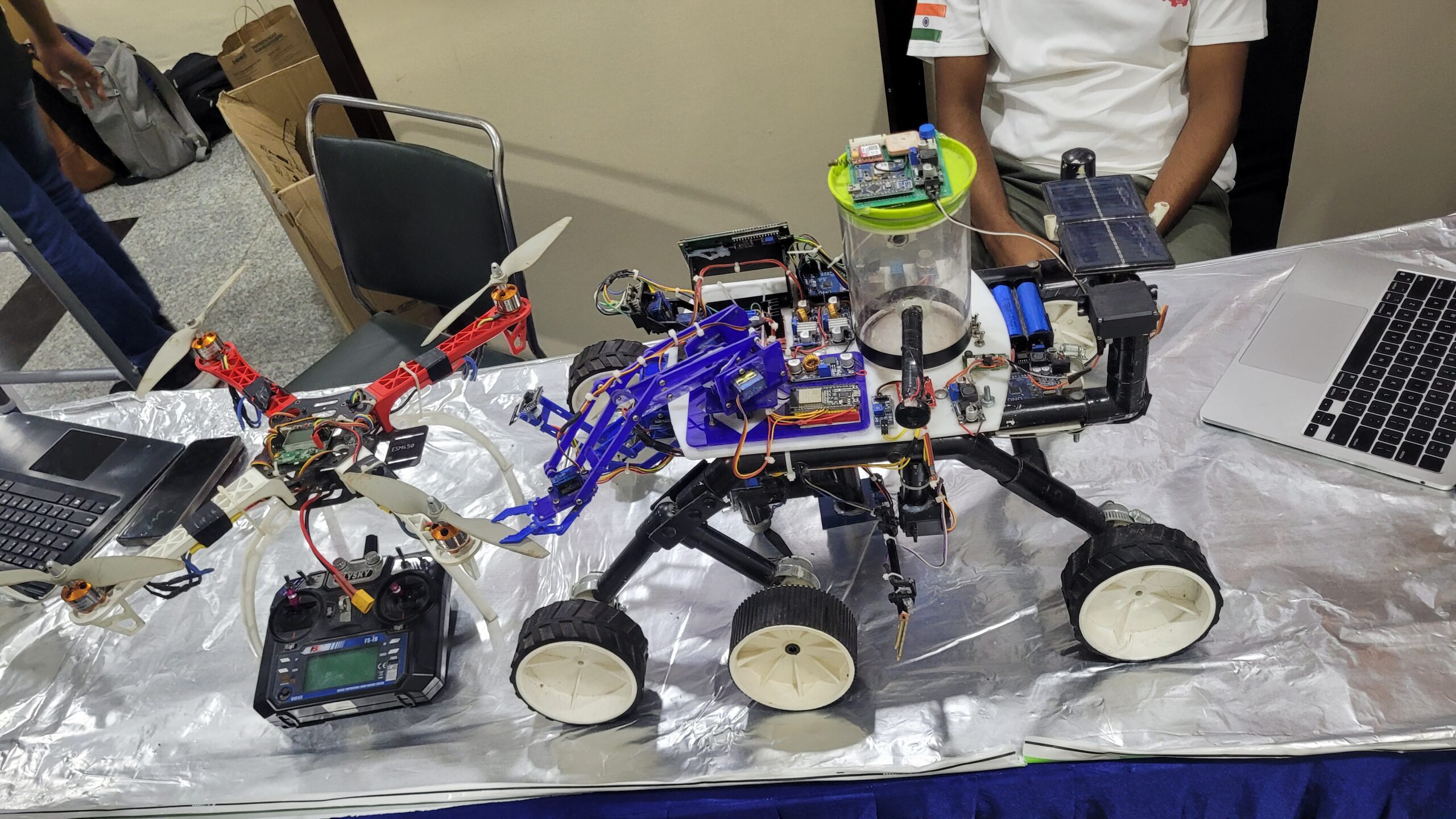

Introducing robotics education for the first time can feel like a large undertaking. Breaking it into stages makes it more manageable for a school planning its first program.
1. Define Learning Goals
Start with what the school actually wants students to gain — basic exposure to technology, a dedicated STEM elective, or a more advanced robotics program — since this shapes every later decision.
2. Choose Age-Appropriate Learning
Decide which grade levels the program will serve first, and match activity complexity to what those students can realistically engage with.
3. Plan Infrastructure
Identify the physical space, power and storage the program will need, even if it starts small and grows over time.
4. Select Suitable Equipment
Choose equipment categories that match the defined learning goals and age groups, rather than acquiring equipment first and deciding on goals afterward.
5. Train Teachers
Teacher training should happen before or alongside the first student sessions, not as an afterthought once problems come up.
6. Start With Practical Projects
Begin with clear, achievable building activities that give students an early sense of accomplishment before moving to more open-ended challenges.
7. Build a Long-Term Curriculum
Curriculum development turns a one-off activity set into a structured program that progresses across the school year and across grade levels.
8. Review and Improve
Treat the first year as a starting point — review what worked, gather teacher feedback, and adjust equipment, pacing or training through an annual training program as the school’s program matures.
Botixbo’s AI & Robotics Lab solution follows this same staged approach when working with schools on a first-time implementation.